



Let me describe a logo you have seen a hundred times.
A dragon. Maybe some clouds. Traditional colours — red, gold, orange. A circular badge shape with some Bhutanese-style lettering. It could belong to a hotel in Paro, a café in Thimphu, a construction company in Punakha, or a tech startup in Gelephu.
That is the problem. It could belong to anyone. Which means it belongs to no one.
Branding in Bhutan is widely misunderstood. Most business owners think branding means getting a logo designed with traditional Bhutanese motifs and calling it done. But real branding goes far deeper than that — and getting it wrong is costing Bhutanese businesses more than they realise.
What Is Branding, Really?
Here is the simplest definition that most business owners never hear:
Branding is how people feel about your business before they ever speak to you.
It is not your logo. It is not your colour palette. It is not a dragon, a cloud pattern, or a traditional border around your business card. Those are visual elements — small pieces of a much bigger system.
Your brand is the gut feeling someone gets when they see your name, visit your website, walk into your office, or hear about you from a friend. It is what makes someone choose you over the business next door, even when you both offer similar services at similar prices.
Think about the businesses you trust most in Thimphu. Can you describe their logo from memory? Probably not. But you remember how they made you feel. Professional. Reliable. Worth the price. Friendly. Modern. That feeling is their brand.
A logo is just one expression of it. The real brand lives in everything — your pricing, your customer experience, your website, the way your staff answers the phone, even the way your invoices look.
The Dragon Problem: Why Traditional Motifs Are Overused
Let me be very clear about something: there is nothing wrong with Bhutanese culture in branding. Our heritage is beautiful, deeply meaningful, and something to be proud of.
The problem is not the dragon itself. The problem is using the dragon as a shortcut — a default decoration instead of doing the real work of understanding what makes your business different.
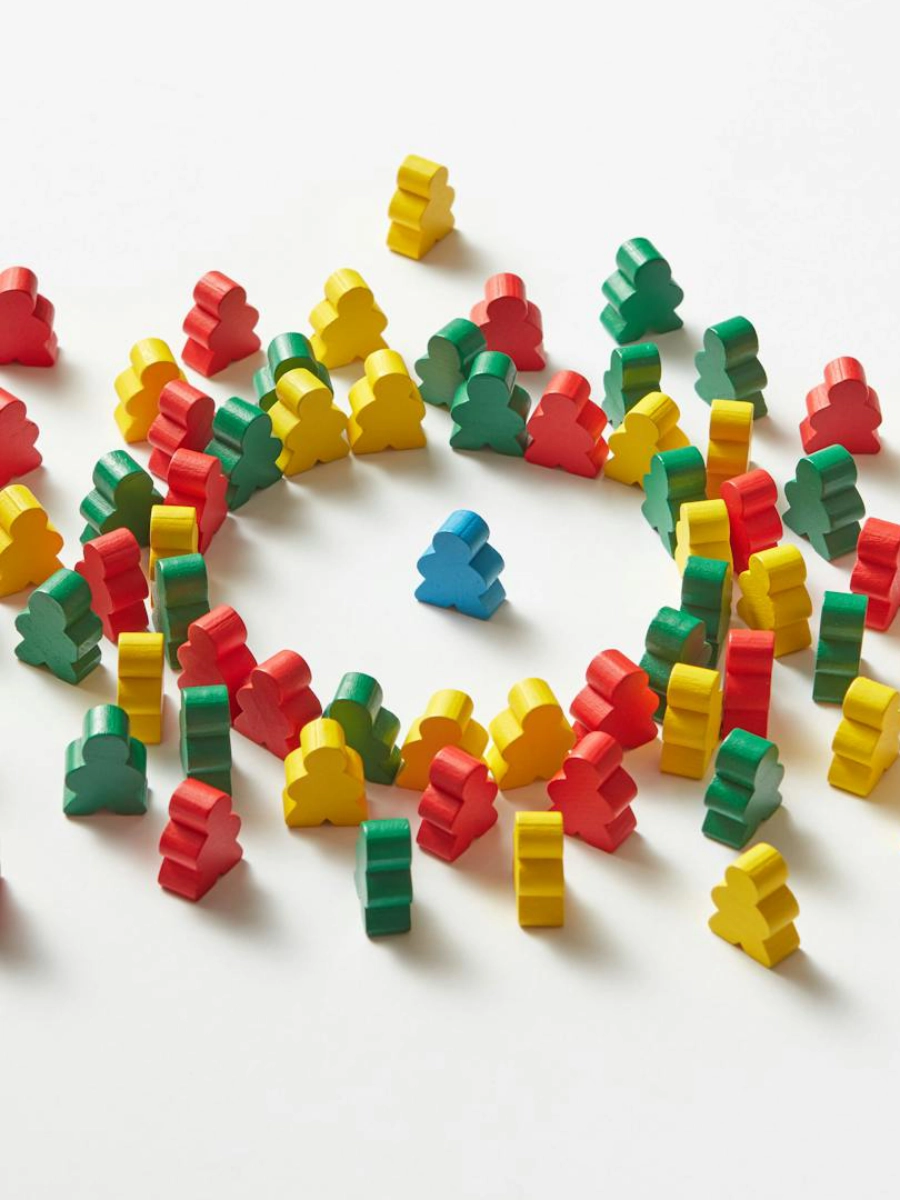
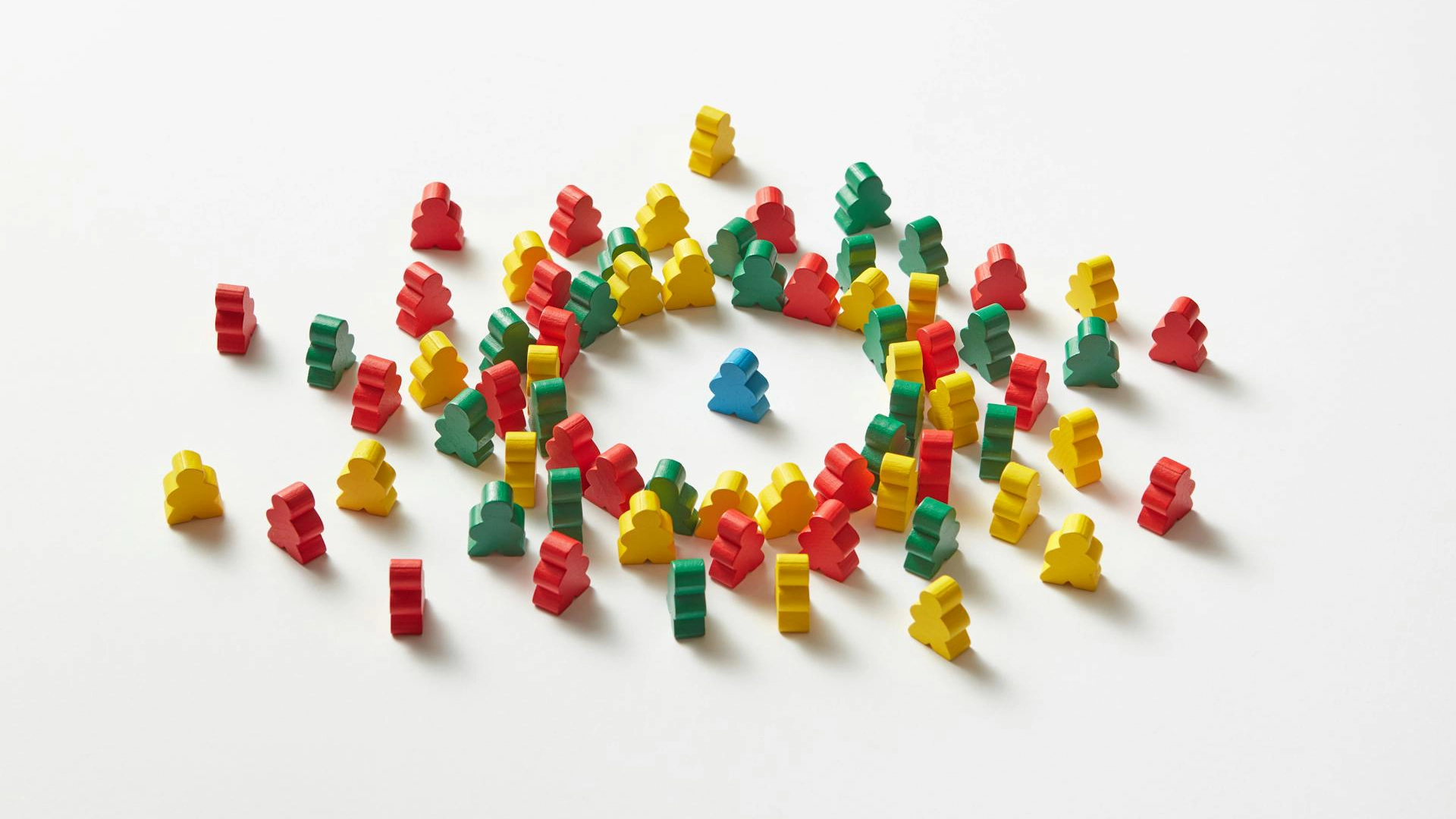
Walk through any town in Bhutan and count the business signs. How many of them use the same dragon, the same clouds, the same colour palette? Now ask yourself: if you removed the company names, could you tell which business is which?
If the answer is no, none of those businesses have a brand. They have decoration.
Here is why this matters commercially:
When everyone looks the same, customers choose on price. If a tourist cannot tell the visual difference between two tour operators, they will pick the cheaper one. If two restaurants have equally generic branding, the one with lower prices wins. You have just entered a race to the bottom — and nobody wins that race.
Generic branding attracts generic clients. When your brand does not communicate who you are and who you are for, you attract everyone and connect with no one. These clients do not understand your value, they haggle, and they leave unsatisfied no matter what you deliver.
Being forgettable is expensive. In a small market like Bhutan, where word of mouth drives most business, being unmemorable is the most costly mistake you can make. People cannot refer you if they cannot remember you.
When Traditional Elements Actually Make Sense
This is not an argument against using Bhutanese motifs. It is an argument for being intentional about it.
A heritage hotel in Paro that offers a deeply cultural experience? Traditional visual elements make perfect sense. They reinforce what the business actually delivers.
A high-end handicraft brand selling to international collectors? Bhutanese design elements are not just appropriate — they are the product itself.
But a logistics company? A fintech startup? A digital marketing agency? A construction materials supplier? Using a dragon and traditional motifs by default makes about as much sense as every restaurant in the world using a picture of a fork as their logo.
The question to ask is not "Should we use Bhutanese elements?" The question is "Does this visual choice reflect what makes our business different, or are we just doing what everyone else does?"
Intentional is the key word. If you choose traditional motifs because they genuinely represent your business and resonate with your specific customers, that is strong branding. If you choose them because you could not think of anything else, that is lazy branding.
What Good Branding Actually Starts With
Good branding does not start with "what should our logo look like?" It starts with much harder questions.
1. Who Is Your Customer — Specifically?
Not "everyone." Not "tourists." Not "Bhutanese people." Who specifically are you trying to reach, and what do they care about?
A boutique hotel targeting high-end international travellers has very different branding needs than a budget guesthouse serving domestic tourists. A café catering to young professionals in Thimphu needs a completely different brand personality than a traditional restaurant serving families.
When you know exactly who your customer is, you can make visual and strategic choices that speak directly to them — instead of trying to appeal to everyone and connecting with no one.
2. What Makes You Different?
If your answer is "quality" or "good service," that is not a differentiator. Every business says that. What do you do that nobody else does — or can?
Maybe it is your sourcing. Maybe it is your speed. Maybe it is your pricing model, your founder's story, your specific expertise, or the way you deliver the experience. Whatever it is, your brand should make that difference visible and felt at every touchpoint.
3. What Do You Want to Be Known For?
Not today, but in three to five years. Your brand should pull your business toward the future you are building, not just reflect where you are right now.
A small accounting firm that wants to become Bhutan's most trusted financial advisory should brand itself for that ambition now — not rebrand later when it gets there.
4. How Should People Feel When They Interact With You?
This is the emotional core of branding. Professional and trustworthy? Bold and innovative? Warm and approachable? Luxurious and exclusive?
Every colour, font, image, word choice, and design decision should reinforce that feeling consistently. When there is a mismatch between how you want people to feel and how your brand actually makes them feel, you lose trust without knowing why.
The Real Cost of Skipping Brand Strategy
Many Bhutanese businesses skip straight from "I need a business" to "I need a logo" without stopping to answer any of the questions above. Here is what that typically costs:
Multiple redesigns. Without a clear strategy, you end up changing your logo every year or two because it never feels right. Each redesign costs money and resets whatever brand recognition you had built.
Inconsistent presence. Your business card says one thing, your Facebook page says another, your signage looks different from your website. Customers notice this inconsistency, even if they cannot articulate it. It erodes trust.
Underpricing. Businesses with weak branding almost always charge less than they should. A strong brand gives you pricing power — it communicates value before you have to explain it.
Wasted marketing budget. Running ads and social media campaigns without a cohesive brand behind them is like pouring water into a leaky bucket. People might see your ad, but nothing sticks because there is no consistent identity to remember.
What a Proper Brand Identity Includes
For business owners who have only ever thought of branding as "getting a logo," here is what a complete brand identity actually involves:
Brand strategy: The foundation. Your positioning, target audience, brand personality, core message, and competitive differentiation. This is the thinking that happens before any design work begins.
Visual identity system: Not just a logo, but a complete system — primary and secondary logos, colour palette with specific codes, typography selections, photography style, graphic elements, and rules for how everything works together.
Brand guidelines: A document that ensures consistency. It tells anyone working with your brand — designers, printers, social media managers, even you — exactly how to use every element correctly.
Brand applications: How the identity looks in the real world — business cards, letterheads, social media templates, signage, packaging, presentations, email signatures, and website design.
Each piece serves a purpose. Together, they create a brand that is recognisable, consistent, and impossible to confuse with your competitor.
A Simple Test for Your Current Brand
Ask yourself these five questions:
- If you removed your company name from all your materials, could someone still identify your business?
- Does your visual identity look distinctly different from your three closest competitors?
- Can you explain what your brand stands for in one sentence — without using the words "quality" or "service"?
- Do all your touchpoints — website, social media, business cards, signage, invoices — look like they belong to the same company?
- Would a new customer understand what kind of business you are within three seconds of seeing your brand?
If you answered "no" to two or more, your brand needs work. Not a new logo — a proper brand strategy.
Branding Is Not a Luxury
In Bhutan's growing business landscape, it is tempting to think of branding as something only big companies need. Something you will get around to later, once revenue is stable.
That thinking is backwards. Branding is not something you earn the right to do after you grow. It is the thing that helps you grow in the first place. It is how you stop competing on price. It is how you attract the right clients. It is how you charge what you are worth. It is how people remember you and refer you.
Your business deserves more than a dragon by default.
Frequently Asked Questions
Is branding just a logo?
No. A logo is one element within a brand identity system. Branding includes your visual identity, messaging, positioning, customer experience, and the overall perception people have of your business. A logo without brand strategy behind it is just a drawing.
How much does branding cost in Bhutan?
Professional brand identity work varies depending on scope. A complete brand identity — including strategy, logo system, colour palette, typography, guidelines, and applications — is a significant investment, but it pays for itself by giving your business pricing power, consistency, and recognition. Think of it as an investment in how every future marketing effort performs.
Can I just use Canva to create my brand?
Canva is a design tool, not a branding tool. You can create graphics with it, but it cannot help you define your positioning, your target audience, or your brand personality. Starting with Canva before doing brand strategy is like decorating a house before building the foundation.
How long does a brand identity project take?
A thorough brand identity project typically takes four to eight weeks, depending on the scope. This includes research, strategy development, concept exploration, design iterations, and final delivery of guidelines and assets. Rushing this process usually means skipping the strategy that makes everything else work.
Do I really need brand guidelines?
Yes — especially if anyone other than you ever creates content, designs materials, or represents your business publicly. Brand guidelines ensure consistency, which builds trust and recognition over time. Without them, your brand will drift in different directions every time a different person touches it.